The complete guide to managing documentation, interviews, and timelines for an L1 intracompany transfer visa
An Informative Overview of the L1 Intracompany Transfer Visa and Its Advantages for Firms
The L1 Intracompany Transfer Visa offers as a vital resource for international corporations. It helps with the transfer of staff members to U.S. workplaces in crucial duties. This visa not just improves operations but also sustains strategic growth in a competitive market. Comprehending its framework and requirements is crucial for companies seeking to leverage this opportunity. The following areas will certainly explore its subtleties and the benefits it provides.
Comprehending the L1 Intracompany Transfer Visa
The L1 Intracompany Transfer Visa functions as an essential path for international firms to transfer staff members between their international and united state workplaces. This visa is developed to assist in the movement of managerial, executive, or specialized knowledge workers, thereby improving operational performance. By allowing companies to relocate vital employee, the L1 visa aids keep continuity and guarantee that essential skills are available within the united state operations.
There are 2 key classifications: L-1A for executives and supervisors, and L-1B for those with specialized knowledge. The visa is normally valid for one to 3 years, with the opportunity of extensions, allowing for long-lasting assignments. Furthermore, the L1 visa can pave the way for permanent residency alternatives, thus providing a strategic benefit for companies aiming to buy their workforce. Overall, the L1 visa sustains the international movement of talent important for worldwide service growth.
Qualification Needs for the L1 Visa
Qualifying Worker Classifications
Eligibility for the L1 visa depends upon particular employee classifications that mirror the applicant's role within the organization. There are two main categories: L-1A for supervisors and executives, and L-1B for employees with specialized knowledge. L-1A candidates must show their capacity to look after operations, supervise staff, or handle substantial features within the firm. In comparison, L-1B applicants are called for to have sophisticated expertise regarding the business's procedures, products, or solutions, which is crucial for the organization's success. Both categories require that the worker has been employed by the international entity for a minimum of one constant year within the last 3 years, guaranteeing that the individual brings valuable experience and understanding to the united state branch or subsidiary.
Business Partnership Requirements
Company relationship standards are essential for identifying qualification for the L1 visa, as they develop the needed link between the united state entity and its foreign equivalent. To certify, the candidate should demonstrate that both business are either parent-subsidiary, branch workplace, or affiliate organizations. This partnership must be even more than simply a common ownership risk; it calls for active functional connections and a combined company purpose. The united state entity have to utilize the transferring staff member for at the very least one continuous year within the last 3 years. Additionally, the international entity has to have been functional during the exact same duration. Fulfilling these requirements warranties that the employee's transfer offers a legitimate service need, inevitably fostering worldwide service operations and collaboration.
Sorts Of L1 Visas: L1A vs. L1B
While both L1A and L1B visas promote the transfer of workers within multinational business, they satisfy different roles and credentials. The L1A visa is designed for supervisors and execs who will certainly manage the company's operations in the U.S. Candidates have to demonstrate their ability to handle a significant team or function, making this visa perfect for high-level settings. Alternatively, the L1B visa targets staff members with specialized understanding necessary to the business's procedures. This might include sophisticated technological abilities, exclusive details, or competence in the business's procedures or procedures. While both visa kinds can originally be granted for up to three years, L1A holders may extend their remain for an overall of 7 years, whereas L1B holders are limited to five years. Recognizing the differences in between these visas is important for business seeking to maximize their ability flexibility techniques.
Application Refine for the L1 Visa
The application process for the L1 visa entails a number of vital steps that applicants should navigate. First, people should understand the eligibility demands to identify their certification. Following this, they require to gather the required paperwork and understand the common processing timeline to guarantee a smooth application experience
Eligibility Demands Overview

Application Documentation Needed
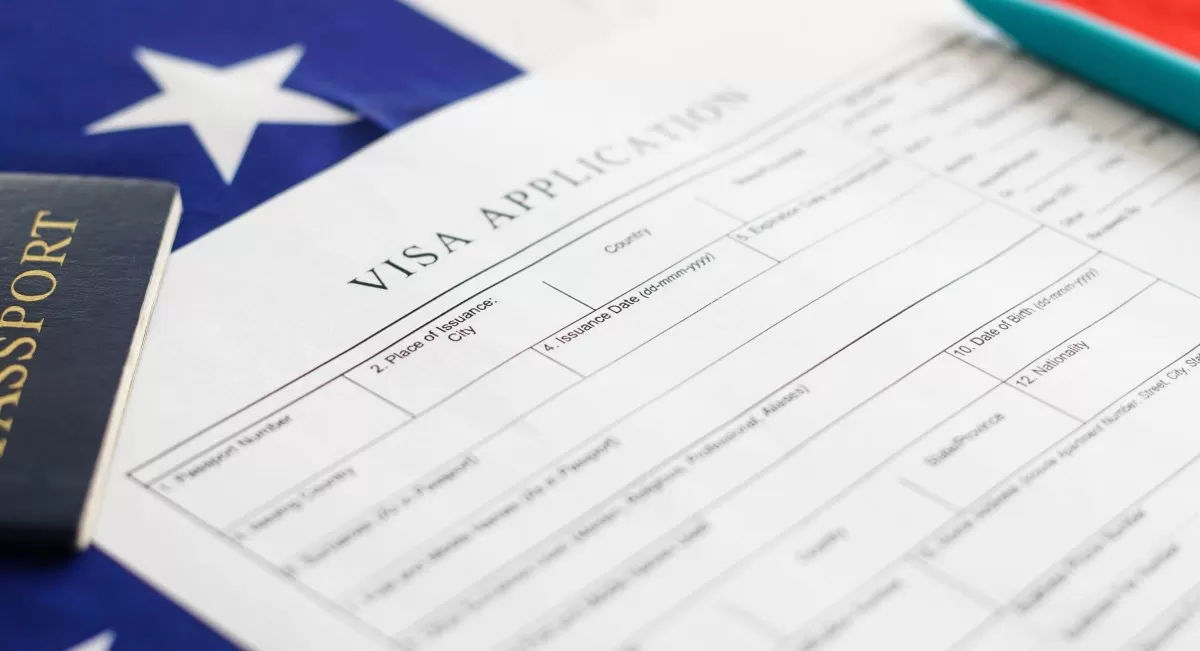
Collecting the suitable documentation is an essential action in the application process for the L1 Intracompany Transfer Visa. Candidates must supply several essential documents to support their instance. This includes a completed Form I-129, Application for a Nonimmigrant Employee, along with the L Supplement. Evidence of the certifying connection between the U.S. firm and the international entity is also needed, such as company organizational graphes and ownership records. Furthermore, evidence of view website the applicant's work, such as job descriptions, pay stubs, and tax obligation documents, have to be sent. It is vital to demonstrate that the candidate has held a managerial or executive setting or has specialized expertise. Properly assembled paperwork can significantly enhance the opportunities of a successful visa.

Handling Timeline Expectations
Just how long does the handling of an L1 Intracompany Transfer Visa generally take? The timeline for refining an L1 visa can differ based upon a number of variables, including the service facility managing the application and the intricacy of the situation. Generally, standard handling might take anywhere from 2 to six months. However, firms can opt for premium processing, which speeds up the decision to 15 schedule days for an extra fee. Hold-ups can happen as a result of additional documentation requests or background checks, potentially prolonging the timeline. It is important for companies to plan as necessary, enabling enough time for handling and any type of unanticipated hold-ups, making sure a smooth changeover for the transferring employee.
Period and Renewal of the L1 Visa
The L1 visa offers an organized timeframe for intracompany transferees, enabling them to operate in the United States for a specified duration. The preliminary credibility duration for an L1A visa, meant for execs and managers, depends on three years, while the L1B visa, made for helpful hints specialized knowledge workers, is generally given for one to 3 years. Extensions can be gotten, with L1A holders eligible for a maximum remain of seven years and L1B holders approximately five years.
To renew the L1 visa, companies have to show that the staff member remains taken part in certifying employment and that the setting is still necessary for the business's procedures. It is important to submit the extension application before the current visa expires to keep legal status. On the whole, the structured duration and renewal process promotes global organization procedures while making certain conformity with U.S. immigration guidelines.
Advantages of the L1 Visa for Firms
Leveraging the L1 visa can substantially improve a company's functional abilities by helping with the transfer of essential workers from foreign workplaces to U.S. areas. This provision allows business to keep continuity in administration and know-how, making certain that necessary understanding and abilities are preserved within the company. L1 intracompany transfer visa. By relocating specialized employees, firms can successfully react to regional market needs and enhance their affordable side
Additionally, the L1 visa sustains international company approaches by making it possible for international companies to deploy team where they are most needed, therefore enhancing resource appropriation. The capability to move execs and supervisors promotes technology, partnership, and cultural exchange, which can result in enhanced performance.
In addition, the L1 visa offers a path for companies to develop a visibility in the united state market without the prolonged process required for various other visa types. This structured strategy boosts functional performance and increases growth possibilities in the American service landscape.
Tips for a Successful L1 Visa
An effective L1 visa needs mindful prep work and focus to information. Firms need to begin by guaranteeing that the applicant fulfills all eligibility standards, including prior employment period and certain job roles. Gathering comprehensive paperwork is vital; this includes evidence of the qualifying partnership between the U.S. and foreign entities, along with the applicant's certifications and employment history.
Companies need to likewise plainly detail the work responsibilities in both places, emphasizing the specialized expertise needed for the position. It's a good idea to draft a thorough application that articulates business rationale for the transfer, showcasing how it lines up with business objectives.
Additionally, timing plays a considerable duty in the application procedure; sending applications well beforehand can prevent check my blog hold-ups. Finally, seeking advice from a migration attorney can give understandings into potential challenges and guarantee compliance with current migration regulations, consequently boosting the possibility of authorization.
Frequently Asked Inquiries
Can L1 Visa Holders Make An Application For Permanent Residency?
L1 visa holders can obtain permanent residency in the United States. This process usually includes submitting a change of condition application, enabling qualified people to change from short-lived to copyright condition under specific problems.
Exist Any Kind Of Age Limitations for L1 Visa Applicants?
There are no details age restrictions for L1 visa applicants. Individuals of any kind of age can use, provided they fulfill the necessary certifications associated with employment and expert experience within the funding firm.
What Occurs if the Business Change Hands?
If a business changes hands, the L1 visa status may stay valid, offered the new possession preserves the very same operational structure. Nevertheless, the brand-new entity needs to comply with visa requirements and alert immigration authorities if required.
Can L1 Visa Owners Travel Outside the united state?
L1 visa owners can travel outside the U.S. However, they must ensure their visa stays legitimate and may require a new visa stamp upon re-entry, relying on the duration of their absence and any kind of adjustments in work.
Is There a Restriction on the Variety Of L1 Visas Provided?
There is no annual cap on L1 visas, permitting firms to move an endless variety of qualifying employees. This versatility supports worldwide business procedures and promotes the movement of skill across worldwide branches.
The L1 Intracompany Transfer Visa serves as a vital pathway for international business to transfer employees in between their international and United state offices. The L1A visa is designed for executives and supervisors who will certainly supervise the organization's operations in the United state Applicants must demonstrate their ability to manage a significant group or function, making this visa perfect for top-level settings. The first validity period for an L1A visa, meant for supervisors and execs, is up to 3 years, while the L1B visa, created for specialized understanding workers, is usually approved for one to three years. To restore the L1 visa, business have to show that the employee continues to be involved in certifying employment and that the position is still essential for the firm's procedures. The L1 visa offers a pathway for business to develop a visibility in the U.S. market without the lengthy procedure needed for various other visa types.